


Hello, wonderful parents and caregivers!
Today, I want to chat with you about something incredibly important: choosing safe toys for our precious little ones.
Toys are a big part of every child’s development, bringing joy and learning, but it's crucial to ensure they are safe.
As a mom myself, I know how overwhelming it can be to find the right toys that are both fun and safe.
So, let’s dive into some tips and advice to help you make those buying decisions with confidence.
Why Toy Safety Matters
Every year, thousands of children end up in emergency departments for toy-related injuries.
The Consumer Product Safety Commission (CPSC) works hard to regulate toys and keep our kids safe, but we, as parents, need to be vigilant too.
By choosing safe toys, we can prevent hazards like choking, swallowing dangerous parts, or other injuries.
Key Tips for Selecting Safe Toys
-
Always Read Labels: Labels provide crucial information about safety standards and age-appropriateness. Look for labels like ASTM D-4236, which means the toy meets current safety standards. Reading labels helps ensure that the toy has been tested and deemed safe for your child's age group.
-
Check for Choking Hazards: Toys should be large enough so they can’t fit inside a young child’s mouth. This is particularly important for babies and toddlers who love to put objects in their mouths. One simple test is to see if the toy or any parts of it fit inside a toilet paper roll. If it does, it's too small for young children.
-
Avoid Toys with Small Parts: Toys with small parts are a big no-no for kids ages 3 or younger. These small pieces can easily become a choking hazard. Pay special attention to toys that may have detachable parts, buttons, or small accessories.
-
Choose Non-Toxic Materials: Painted toys should use non-toxic paint. Be wary of older toys or hand-me-downs that may not meet current safety standards. Non-toxic materials are essential to ensure that if your child puts the toy in their mouth, they won't ingest harmful chemicals.
-
Beware of Magnets: Magnets can cause serious injuries if swallowed. Steer clear of toys with small or powerful magnets, especially those that contain two or more magnets. If swallowed, magnets can attract each other through intestinal walls, causing serious damage.
-
Consider Your Child’s Temperament: Select toys that match your child's developmental stage and interests. This not only ensures safety but also encourages proper play and learning. For instance, a child who loves to explore with their hands might benefit from larger, tactile toys rather than small, intricate ones.
-
Avoid Sharp Edges and Loose Parts: Inspect toys for sharp edges or loose parts that could hurt your child. Even a seemingly safe toy can become dangerous if it’s worn or broken.
-
Check for Recalls: Stay up-to-date on toy recalls. Websites like the CPSC provide information on recalled toys that may be dangerous. Signing up for recall alerts can keep you informed about the latest safety issues.
Types of Safe Toys for Different Ages
Infants (0-12 months)
- Crib Toys and Gyms: Ensure they are securely attached and have no small parts. Crib toys should be out of reach once your baby can push up on their hands and knees to avoid strangulation hazards.
- Squeak Toys and Stuffed Animals: These should be well-constructed and free of loose parts. Stuffed toys should have seams that are secure and be free of small parts that could pose a choking hazard.
- Push-up Toys: Ideal for babies starting to push up on their hands and knees. These toys help develop motor skills while ensuring safety.
Toddlers (1-3 years)
- Riding Toys: Make sure they are stable and have no sharp edges. Riding toys should also be appropriate for your child's size and coordination skills.
- Stacking and Building Toys: These should be large enough to avoid choking hazards. Blocks and other building toys should be too big to fit in your child's mouth.
- Bath Toys: Check for mold buildup and ensure they can be cleaned easily. Bath toys should be watertight to prevent mold and mildew.
Preschoolers (3-5 years)
- Arts and Crafts: Look for labels like ASTM D-4236 for non-toxic materials. Craft supplies should be free of small parts and toxic substances.
- Interactive Toys: Ensure electronic toys are battery-operated safely and have secure battery compartments. Batteries should be inaccessible to children to prevent choking and ingestion hazards.
Cleaning and Maintenance
Regularly cleaning toys helps prevent the spread of germs. Here are some easy tips:
- Mild Dishwashing Detergent: Use a spray bottle with mild detergent to clean plastic toys. This method is gentle on toys and effective at removing dirt and germs.
- Wash Stuffed Toys: Many stuffed animals can be washed in a machine on a gentle cycle. Check the label for washing instructions to ensure you don't damage the toy.
- Inspect Toys Regularly: Check for wear and tear, such as loose parts or sharp edges. Regular inspections can catch potential hazards before they become serious problems.
Personal Experience and Recommendations
When my little one turned one, I bought safe toys from a trusted brand.
I always made sure to read labels to make sure they met safety standards.
One day, I noticed a loose part on a toy car and quickly removed it to prevent any potential hazard.
This experience taught me the importance of regular toy inspections.
Why Wooden Toys?
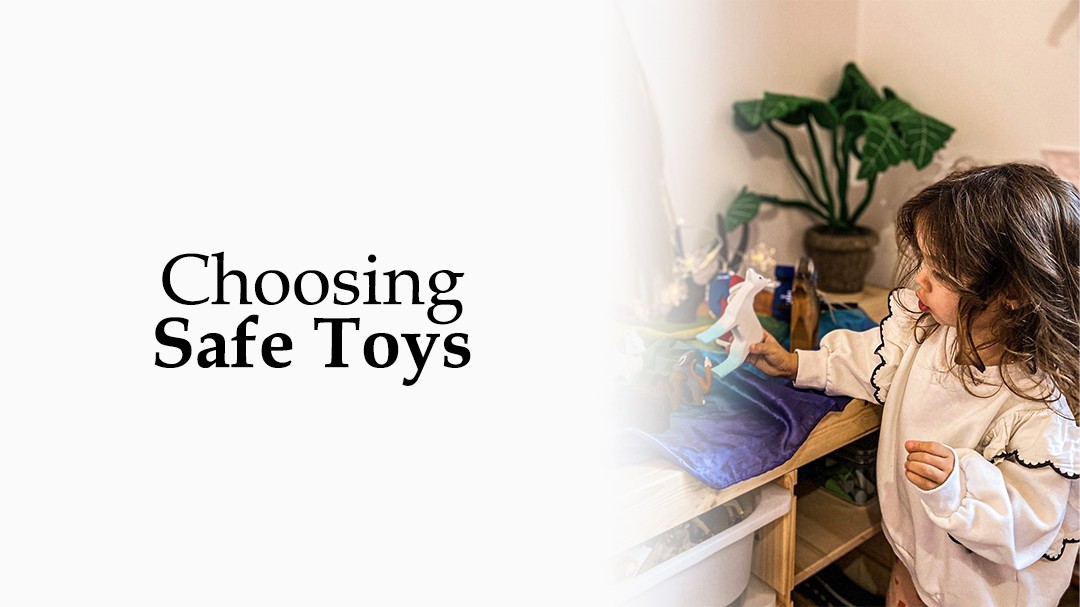
Wooden toys are a favorite in our household.
They are durable, non-toxic, and often handmade with love.
Brands like Bumbu Toys offer beautifully crafted wooden toys that encourage imaginative play while ensuring safety.
Plus, they’re easy to clean with just a mild detergent and a cloth!
Wooden toys are also environmentally friendly and can last for generations.
They don't contain harmful chemicals found in some plastic toys and are often more aesthetically pleasing.
Avoiding Common Toy Hazards
Button Batteries and Lithium Coin Batteries
These small batteries can cause serious injury or even death if swallowed.
Always ensure battery-operated toys have secure compartments that cannot be easily opened by children.
Small Parts
Be particularly cautious of toys with small parts, such as beads, buttons, and small figurines.
These can pose significant choking hazards for younger children.
Sharp Edges and Points
Toys with sharp edges or points can cause cuts and bruises.
Always inspect toys for any signs of wear and tear that could create dangerous edges.
Toxic Chemicals
Avoid toys made with toxic materials.
This includes some plastics and paints.
Opt for toys labeled as non-toxic and check for safety certifications.
Strings and Ribbons
Strings and ribbons longer than 12 inches can pose strangulation risks for young children.
Avoid toys with long strings and remove any ribbons from stuffed animals and other toys.
What to Do if a Toy is Recalled
If you discover that a toy you own has been recalled:
- Stop Using the Toy Immediately: Take it away from your child to prevent any potential harm.
- Follow Recall Instructions: Check the recall notice for specific instructions on how to return or dispose of the toy. Sometimes you can return the toy for a refund or replacement.
- Spread the Word: Inform other parents and caregivers about the recall to help keep their children safe as well.
Conclusion - Choose Safe Toys
Choosing safe toys is a vital part of parenting.
By following these tips and staying informed about safety standards, you can ensure your child plays safely while having fun. Remember to:
- Read labels carefully
- Avoid small parts and sharp edges
- Choose age-appropriate toys
- Regularly inspect and clean toys
Let’s keep our little ones safe and happy!
Sign up to get more tips on safe toys and up-to-date toy recalls.
Together, we can make playtime both fun and safe for our precious babies and toddlers.
For more information and the latest updates, check out the Bumbu Toys blog.
Stay safe and happy playing!
Reviews