


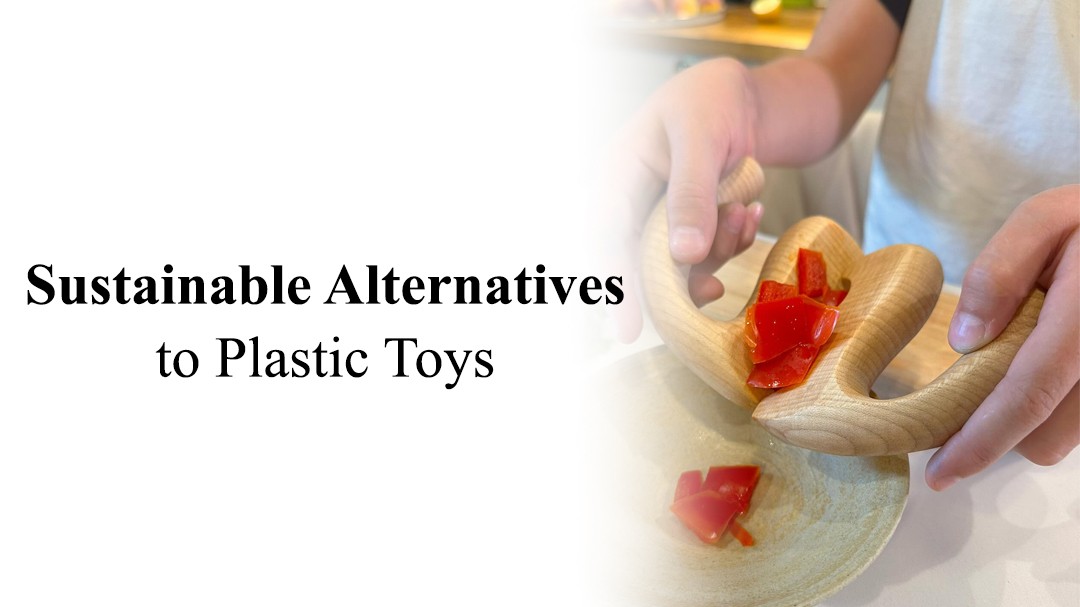
Hi there, fellow moms! 🌟
As a mom, I’m always on the lookout for the best and safest toys for my little ones. When my toddler started teething, I quickly realized that toys are not just for playing but also for chewing, cuddling, and sometimes even throwing! That’s when I started thinking more seriously about the types of toys I was bringing into our home, particularly the plastic ones. Have you ever wondered about the environmental impact of plastic toys? Or even worse, what kind of chemicals they might contain?
Today, I want to share with you my journey toward finding sustainable alternatives to plastic toys. I’ve learned so much along the way, and I’m excited to share some tips and insights that can help you make more eco-friendly choices for your children’s toys.
The Problem with Plastic Toys
Plastic toys are everywhere, and they’re often the go-to option because they’re cheap, colorful, and easy to clean. But did you know that many of these toys are made of PVC (polyvinyl chloride), a type of plastic that can contain harmful chemicals like phthalates and bisphenol A (BPA)? These chemicals are used to make the plastic flexible or hard, depending on the toy. However, they can be toxic, posing risks of developmental disorders and endocrine disruption, especially in young children who are more vulnerable.
- PVC Plastics: Often used to make toys like dolls and soft teething toys, PVC can contain harmful substances that are released as the toy ages.
- Phthalates and BPA: These are chemicals commonly found in plastic toys, which can have harmful effects on a child’s health.
- Environmental Impact: Plastic toys contribute to landfill waste and environmental degradation. Most of these toys are not recyclable and can take hundreds of years to decompose.
Why Look for Alternatives?
One day, I found my little one chewing on an old plastic toy. It hit me—what was I really giving my child to play with? Was it safe? I started researching and was shocked to learn about the environmental impact of plastic toys. They’re not just a hazard to our kids but also to the planet. I knew I had to find safer alternatives to plastic.
- Sustainability: Choosing sustainable alternatives helps reduce plastic waste and protect natural resources.
- Non-Toxic: Eco-friendly toys are made from materials like natural rubber, wood, and wool, which are free from harmful chemicals.
- Durability: Sustainable toys are often more durable and can even be passed down to younger siblings or friends.
Eco-Friendly Alternatives to Plastic Toys
So, what are the alternatives? There’s a whole world of eco-friendly toys out there, made from natural materials that are safe, durable, and kind to the environment. Here are some of my favorite options:
-
Wooden Toys:
- Wooden toys are a classic and timeless choice. They’re made from natural fibers such as wood and are often handcrafted, making each toy uniquely beautiful. They’re durable and can last for generations, unlike plastic toys that may break easily. My child loves stacking blocks made of wood—they’re perfect for developing motor skills and are completely free from harmful chemicals.
-
Bamboo Toys:
- Bamboo is a renewable resource that grows quickly and doesn’t require pesticides to thrive. Toys made from bamboo are lightweight, strong, and biodegradable, making them an excellent sustainable alternative to plastic toys. Plus, bamboo toys are naturally antibacterial, which adds an extra layer of safety for our little ones.
-
Natural Rubber Toys:
- Natural rubber is another fantastic material used to make eco-friendly toys. It’s soft and flexible, making it perfect for teethers and bath toys. Unlike plastic, natural rubber doesn’t contain toxic chemicals like BPA or phthalates. My baby loves their natural rubber teether—it’s safe to chew and easy to clean.
-
Wool and Cotton Toys:
- Toys made from organic wool and cotton are soft, cuddly, and safe for babies and toddlers. They’re free from harmful dyes and chemicals, and because they’re made from natural fibers, they’re also biodegradable. I’ve found that wool toys are perfect for comforting my child during bedtime.
-
Bioplastics and Starch Polymers:
- Bioplastics, like PLA (polylactic acid) and PHA (polyhydroxyalkanoates), are derived from renewable sources like corn starch or sugarcane. They’re biodegradable and offer a great alternative to traditional plastics. While still not as widely available, these toys are becoming more popular in the market as parents seek eco-friendly options.
-
Recycled Paper and Cardboard Toys:
- Toys made from recycled paper and cardboard are lightweight, safe, and perfect for creative play. These toys are recyclable and often come in DIY kits that you and your child can build together—what a fun way to teach them about sustainability!
What to Look for When Buying Toys
When searching for eco-friendly toys, here are a few things I always keep in mind:
- Material: Look for toys made from natural materials like wood, bamboo, natural rubber, wool, or cotton. Avoid toys made from PVC plastics or those labeled with “vinyl.”
- Non-Toxic: Ensure the toys are free from harmful chemicals like BPA, phthalates, and heavy metals. Look for labels that state the toys are non-toxic and safe for children.
- Durability: Choose toys that are well-made and can withstand rough play. Durable toys are less likely to break and end up in the landfill.
- Recyclable: Consider whether the toy can be recycled or if it will contribute to plastic waste once your child outgrows it.
- Educational and Fun: Last but not least, the toy should be engaging and enjoyable for your child. Look for toys that promote creativity, problem-solving, and motor skills.
The Joy of Eco-Friendly Toys
Switching to eco-friendly toys has been such a rewarding experience for our family. Not only do I feel better knowing that my child is playing with safe and non-toxic toys, but I also feel like I’m doing my part to reduce our environmental impact. There’s something so satisfying about watching my little one play with a wooden train set, knowing it’s not only good for them but also for the planet.
As parents, we have the power to make choices that protect our children and the earth they will inherit. By choosing sustainable alternatives to plastic toys, we’re making a small but meaningful difference. Let’s embrace these safer alternatives to plastic and teach our children the importance of taking care of our world.
If you’re interested in learning more about eco-friendly toys, or if you have any questions, feel free to check out other articles on our blog or drop me a message—I’d love to chat!
Happy parenting! 🌱
Reviews