


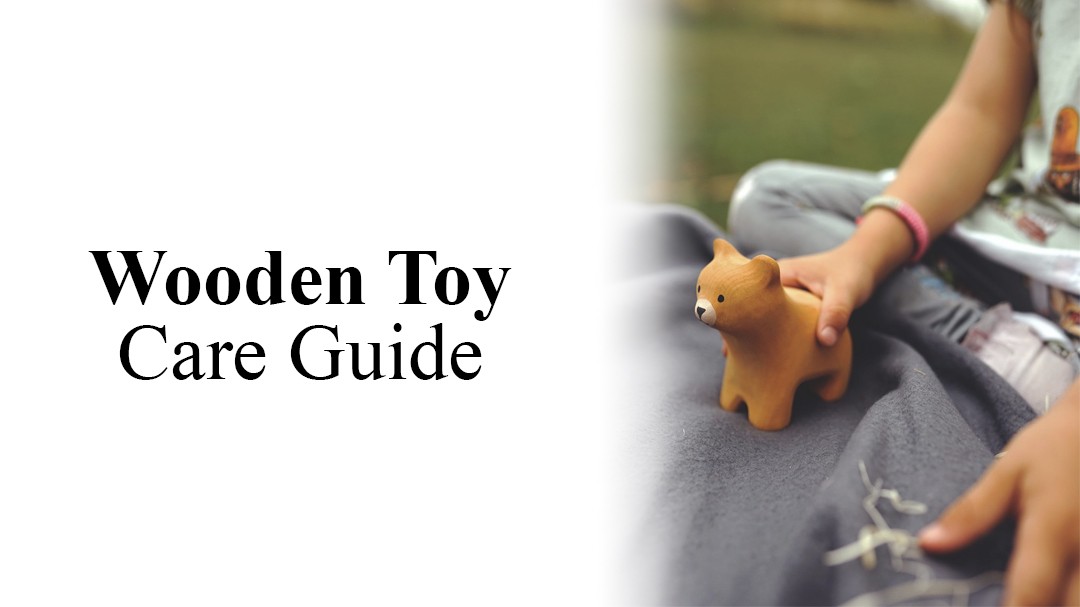
I’ve always believed that wooden toys carry a kind of magic. They feel warm in little hands, smell faintly of nature, and, unlike plastic toys, they invite imagination instead of flashing lights. But as much as I love seeing my little one scatter wooden blocks all over the living room, I’ve also learned something important: caring for wooden toys is just as essential as playing with them. With proper care, these treasures can last for years to come, even being passed down through generations.
This guide is my way of sharing the simple maintenance tips and toy care routines I’ve built over time—so that every beloved wooden toy in your home stays safe, beautiful, and ready for endless play.
Why Wooden Toys Deserve Proper Care
Wooden toys are built from natural materials, which means they behave differently than their plastic counterparts. They don’t just sit on a shelf for decades without changing. Wood reacts to humidity, direct sunlight, water, and even the way your child plays.
And that’s part of their charm. When you take care of your wooden toys, you’re not just cleaning grime or wiping away germs—you’re preserving craftsmanship and ensuring toys remain safe.
Unlike plastic toys, which can crack and lose their appeal quickly, wooden toys are naturally strong and eco-friendly. With regular cleaning and proper storage, you’ll find that caring for wooden toys helps them stand the test of time.
Simple Cleaning Methods for Wooden Toys
Kids are kids—they love to put toys in their mouths, drag them outside, or drop them in unexpected places. That’s why it’s essential to know the right way to maintain and clean wood toys.
Here are the methods I use at home:
- Everyday wipe-downs
I use a soft cloth or a slightly damp cloth to wipe down the toys after play. This helps remove dust and small bits of grime without soaking the wood. - For a more thorough cleaning
Mix part white vinegar with water. White vinegar has natural antibacterial properties, making it safe for children and effective against germs. Dampen a cloth to wipe, and then air dry completely. - Avoid soaking
Never soak wood toys. Water can warp, swell, or damage the wood grain. Instead, always let the toy air dry naturally. - Occasional oiling
Every few months, I apply a small amount of food-grade mineral oil or beeswax. I sand in the direction of the wood grain first if needed, then oil or beeswax helps maintain the finish, protects against humidity, and gives the toys a warm glow.
Tips for Keeping Wooden Toys Clean and Safe
- Use a clean cloth to wipe away any buildup of dirt or grime.
- A damp cloth works well, but make sure to air dry completely to avoid mold.
- Avoid direct sunlight or storing toys outside for long periods—this can damage the wood and fade paint.
- For painted toys, a gentle wipe with a soft cloth is usually enough. Don’t scrub harshly or you might damage the finish.
- If you notice a splinter, sand in the direction of the wood grain with fine sandpaper.
Proper Care and Storage
Once toys are clean, storage becomes the next big step in toy care. How you store wooden toys can make the difference between something that lasts years and something that wears out faster.
Here’s what I’ve learned:
- Keep toys away from direct sunlight – Sunlight can cause wood to warp and paint to fade.
- Maintain proper humidity levels – Too much humidity and toys may swell; too little and they may crack.
- Use silica gel packets – If you live in a damp area, adding a few packets to storage boxes helps reduce moisture.
- Store wooden toys in breathable containers – Unlike plastic toys, wood needs to “breathe.” Cloth bags or wooden boxes are great choices.
- Make it a habit – I involve my little one in putting toys back in their place every evening. It’s a simple way to teach respect for things made from natural materials.
When Toys Need a Little Repair
Wooden toys are strong, but with years of love they can show wear and tear. Loose parts, chipped paint, or even small breaks can happen.
- Loose parts: Use child-safe wood glue to reattach. Always wipe away any excess glue and let the toy dry completely before giving it back to your child.
- Splinters: Sand gently with fine sandpaper. Always sand in the direction of the wood grain.
- Paint touch-ups: Choose non-toxic, child-safe paint. Apply a small amount, let it dry fully, and then seal with beeswax or mineral oil.
Frequently Asked Questions About Wooden Toy Care
1. Can I sanitize wooden toys like plastic ones?
You don’t need harsh chemicals. Wooden toys are naturally antimicrobial. A vinegar solution and air drying are safe for children and effective against germs.
2. Can wooden toys be used outside?
Short play outside is fine, but don’t leave them in grass or water. Wooden toys outside for long periods can warp or gather grime.
3. How often should I oil wooden toys?
Every few months is enough, depending on how much your little one plays with them. Regular maintenance keeps them clean and well-maintained.
4. Are wooden toys safe for babies?
Yes, baby toys made from wood are safe for children when finished with non-toxic oils or paints. Just be sure to inspect them regularly for loose parts or splinters.
A Personal Reflection
I remember one afternoon when my child spilled water on a stack of wooden blocks. At first, I panicked—thinking they were ruined forever. But after carefully wiping them with a dry cloth and letting them air dry completely, I realized something: wooden toys are forgiving. With simple maintenance, they recover beautifully.
Moments like these remind me why I keep investing in quality wooden toys. They’re not just toys—they’re memories in the making. They’ve been part of my child’s first steps, first towers, first pretend games. And with proper care, they’ll be around for many more firsts.
Conclusion: Caring for Wooden Toys is Caring for Childhood
Caring for wooden toys isn’t complicated. It’s about little habits—wiping them with a damp cloth, avoiding direct sunlight, checking for splinters, and giving them a touch of beeswax now and then. With this simple care guide, you can ensure your toy collection remains safe, beautiful, and ready for years to come.
After all, when we care for our wooden toys, we’re not just preserving objects—we’re nurturing play, imagination, and joy that will live in our children’s hearts long after they’ve outgrown their favorite toys.
So tonight, when your little one goes to bed, take a moment to wipe down the toys, store them properly, and smile at the thought that these beloved wooden treasures are ready for another day of adventure.
Reviews